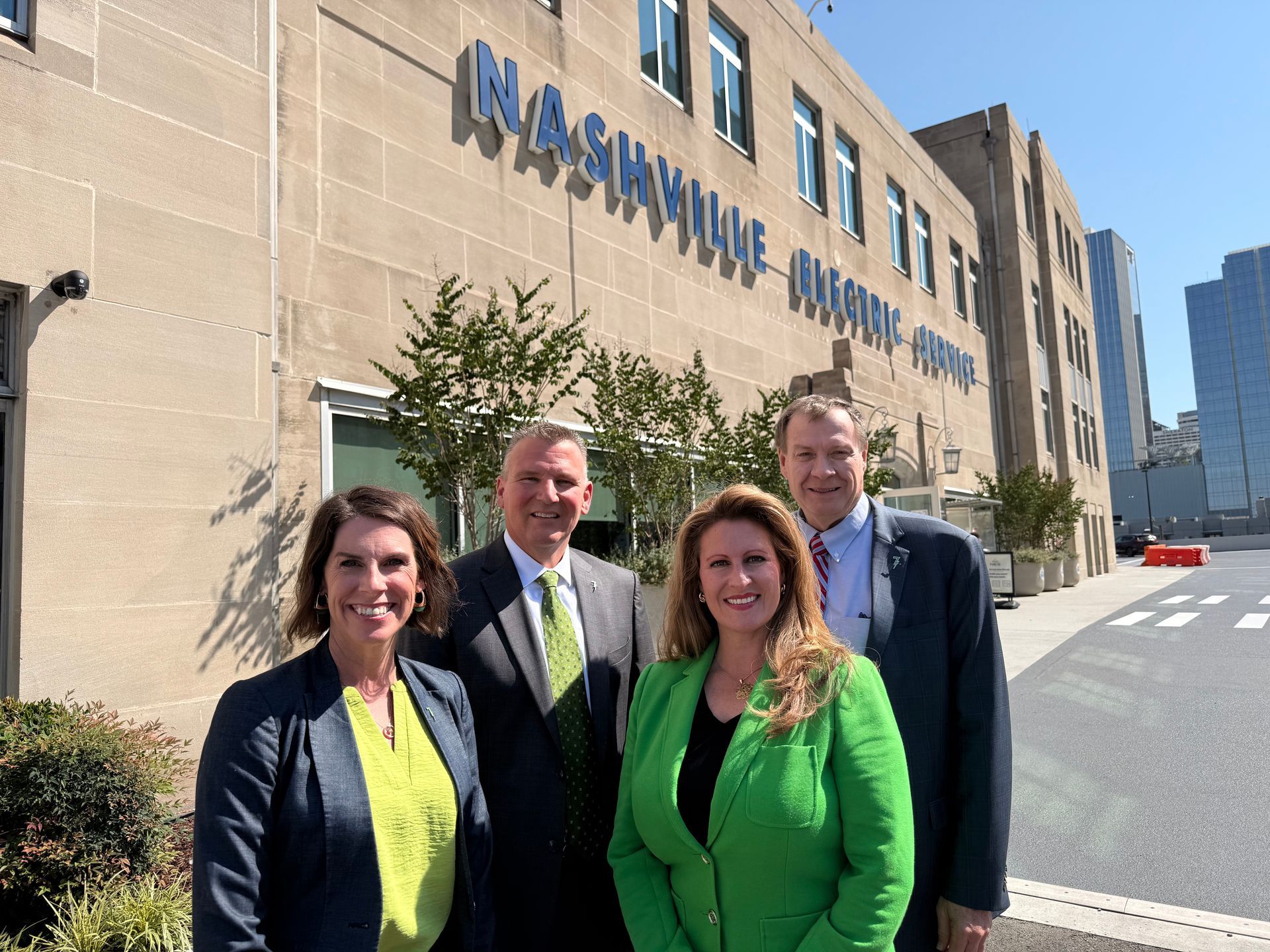
June 25, 2026 Seven States Power Corporation, headquartered in Chattanooga, Tenn., is pleased to announce that it will deliver a significant infrastructure investment to modernize the electric grid in partnership with Nashville Electric Service (NES), a municipal public utility based in Nashville, TN. The initiative, named the Energy Express Project, will deploy battery storage as a standalone resource designed to support peak demand, improve grid resiliency, and provide NES with greater operational flexibility. The project is backed by Seven States’ award of a landmark $439 million zero-interest loan and grant from the U.S. Department of Agriculture’s Rural Utilities Service (USDA RUS). This announcement follows similar recent announcements related to additional project locations across the state in partnership with Memphis Light, Gas and Water in Memphis, TN and BrightRidge in Johnson City, TN. The approach reflects a strategic decision to prioritize dispatchable energy assets that can respond immediately to system needs. By focusing solely on battery storage, Seven States and its partners aim to enhance reliability, allowing the utilities to better manage demand fluctuations and unexpected outages while maintaining some of the lowest electric rates in the country. “The Energy Express Project demonstrates how federal financing, local ownership, and collaborative partnerships can accelerate deployment of advanced grid technologies to help manage growing demand to meet the region’s energy needs,” said Betsey Kirk McCall, President and CEO of Seven States Power Corporation. “Battery storage provides an innovative tool that aligns with national priorities around energy dominance, affordability, and reliability.” Led by Seven States, the project will consist of 100 megawatts of battery storage capacity interconnected with NES’s electric distribution system. The batteries will be capable of storing energy from the existing grid and deploying it during periods of peak demand or system stress, helping stabilize the grid while reducing exposure to high-cost power purchases. “Our partnership with the team of experts at Seven States will allow us to deliver a battery solution that will modernize our grid, improve operations, and provide reliability for our customers,” said Teresa Broyles-Aplin, president and CEO of NES. “It gives us greater control during peak demand periods and supports our ongoing effort toward reliable energy distribution.” The battery installations will be constructed at several NES substations throughout Greater Nashville. Construction is expected to begin in 2027, with the project targeted for completion by December 2028. Once operational, the initiative is expected to support the electric needs of approximately 12,000 homes and businesses across the Greater Nashville area and create jobs during construction. Seven States will utilize the award from USDA to build 220MW of battery storage with its electric utility partners in west, middle and east Tennessee. The initiative is among the first of its kind in the Tennessee Valley and represents a significant investment in grid reliability and local energy infrastructure. Seven States and NES view the project as a model for future battery-focused investments across the Southeast.
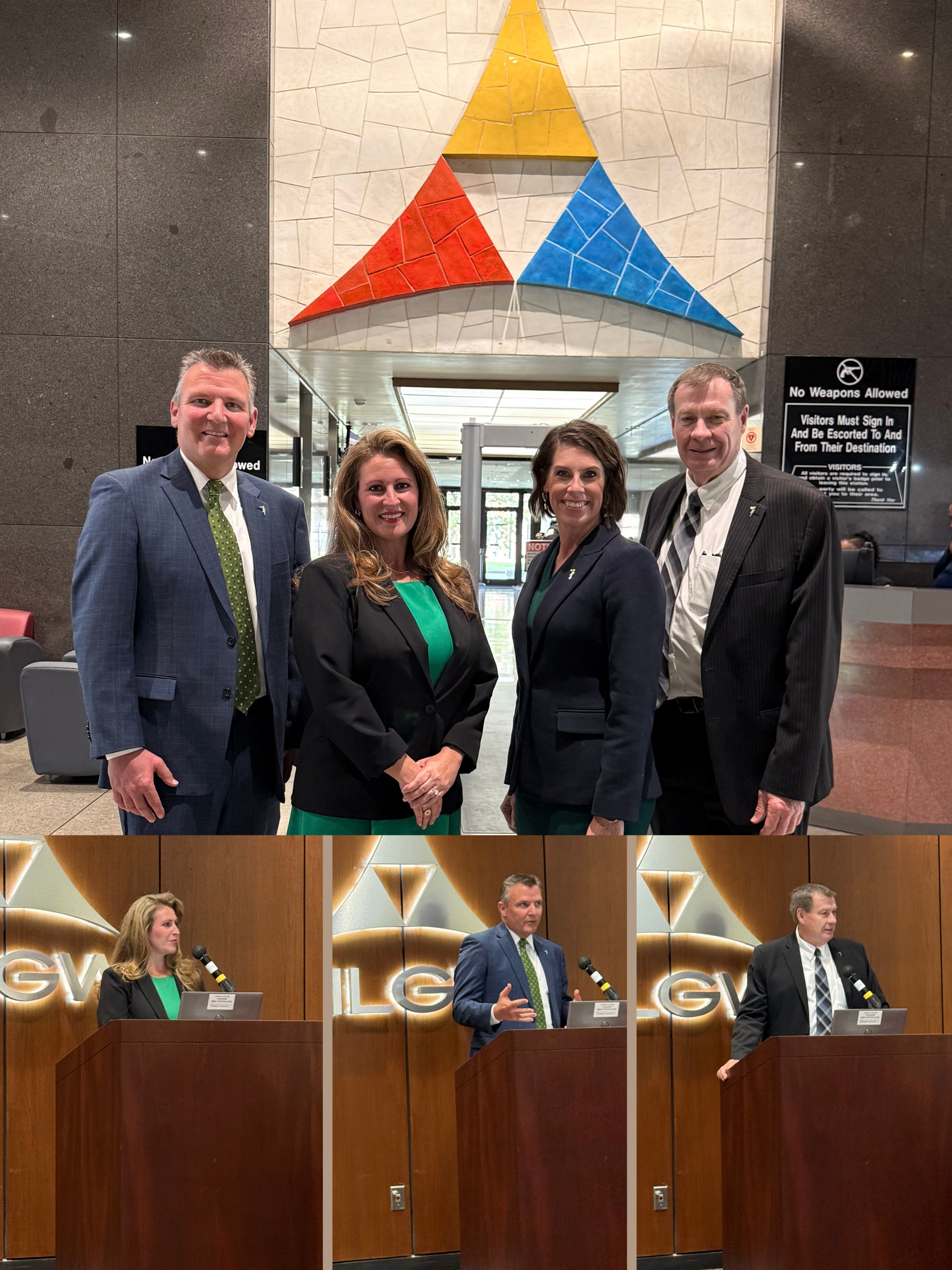
June 18, 2026 Seven States Power Corporation, headquartered in Chattanooga, Tenn., announced in September a partnership with MLGW that would deliver a significant infrastructure investment to modernize the electric grid in partnership with Memphis Light, Gas and Water (MLGW) a municipal public utility based in Memphis, TN. Since that time, the project has expanded beyond its original scope. Originally envisioned as a combined solar-and-storage project, the initiative will now deploy battery storage as a standalone resource designed to support peak demand, improve grid resiliency, and provide MLGW with greater operational flexibility. The project remains backed by Seven States’ award of a landmark $439 million zero-interest loan and grant from the U.S. Department of Agriculture’s Rural Utilities Service (USDA RUS). The revised approach reflects a strategic decision to prioritize dispatchable energy assets that can respond immediately to system needs. By focusing solely on battery storage, Seven States and MLGW aim to enhance reliability, allowing the utility to better manage demand fluctuations and unexpected outages while maintaining some of the lowest electric rates in the country. “We are thrilled to build new electric infrastructure to support growing demand and meet the region’s energy needs,” said Betsey Kirk McCall, President and CEO of Seven States Power Corporation. “Battery storage provides a powerful, flexible, and innovative tool that aligns with national priorities around energy dominance, affordability, and reliability.” Led by Seven States Power Corporation, the project will consist of 100 megawatts of battery storage capacity interconnected with MLGW’s electric distribution system. The batteries will be capable of storing energy from the existing grid and deploying it during periods of peak demand or system stress, helping stabilize the grid while reducing exposure to high-cost power purchases. “This scalable battery solution allows us to modernize our grid and improve reliability for our customers,” said Doug McGowen, president and CEO of MLGW. “It gives us greater control during peak demand periods to support power supply to our customers across Memphis and Shelby County.” The battery installations will be constructed at several MLGW substations throughout Memphis and Shelby County. Construction is expected to begin in 2027, with the project targeted for completion by December 2028. Once operational, the initiative is expected to support the electric needs of approximately 12,000 homes and businesses across Shelby County and create jobs during construction. Seven States will utilize the award from USDA to build 220MW of battery storage with its electric utility partners in west, middle and east Tennessee. The initiative is among the first of its kind in the Tennessee Valley, demonstrating how federal financing, local ownership, and collaborative partnerships can accelerate deployment of advanced grid technologies. Seven States and MLGW view the project as a model for future battery-focused investments across the Southeast. Additional Related Articles MLGW, Seven States make deal to deploy battery storage; xAI solar sublease scrapped Memphis leads TN in lead service line removal efforts MLGW proposes battery storage projects to strengthen electric grid
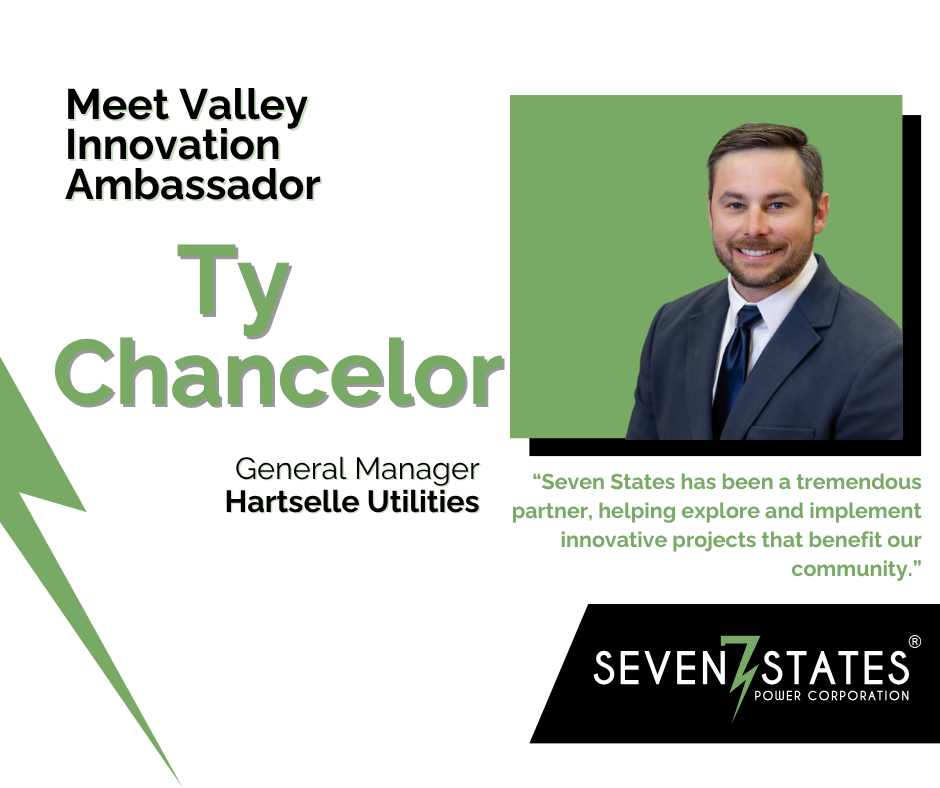
Leading Hartselle Utilities as General Manager, Ty Chancelor has focused on innovative efforts that improve reliability, efficiency, and customer service. We asked him to elaborate on the specific technology and modernization that has changed his LPC footprint, in addition to describing some of his team’s wins for their community. The modernization effort that has likely had the biggest impact on our community in recent years has been Hartselle Utilities’ transition to Advanced Metering Infrastructure (AMI). We began with the conversion of our electric and natural gas systems and ultimately plan to expand AMI capabilities to our water system as well. It’s significantly improved the reliability and efficiency of our operations while also enhancing customer service. For a growing community like Hartselle, investing in modernization projects like AMI helps position us to serve our customers more efficiently while preparing for future technology needs. One specific project our team is especially proud of is our peak shaving initiative. The installation and implementation of the project was spearheaded by our previous General Manager, Bob Sittason, with engineering support from Lance Junkin and Stewart Engineering. Bob strongly believed in making strategic investments that would create long-term value for our customers, and this project is a great example of that vision. Peak shaving has allowed Hartselle Utilities to reduce wholesale power demand costs during periods of highest usage, creating substantial savings for our system and ultimately for our customers. The project also positioned Hartselle Utilities to be more proactive and data-driven in managing system demand and power costs. In March 2022, the Board also approved a voltage reduction proposal as part of our continued efforts to improve system efficiency and maximize savings opportunities. Beyond the financial impact, this project represents the forward-thinking leadership and long-term planning that continues to shape our organization today. Ty also credits Seven States as being a valuable partner for Hartselle Utilities as the needs of his community have continued to evolve. Seven States has been a tremendous partner in helping Hartselle Utilities explore and implement innovative projects that benefit our community. One of the best examples is the installation of our downtown EV fast charging station. With financial support and guidance from Seven States, Hartselle Utilities was able to bring fast-charging infrastructure to our downtown area, helping support economic development, tourism, and the growing demand for electric vehicle accessibility. The project aligned well with our goal of preparing our community for the future while also encouraging visitors to spend time in our downtown district. Since the ribbon cutting in July 2024, the charging station has seen strong community and traveler usage. Projects like this demonstrate how partnerships with organizations like Seven States help local power companies take practical steps toward innovation while still focusing on community needs. Despite the rapidly changing technology in the Valley, the utility business remains rooted in personal relationships and customer service. Chancelor believes that will always remain important in communities like Hartselle. No matter how much technology evolves, I don’t think in-person customer interaction will ever completely disappear in the utility industry. Utilities are still very relationship-driven, especially in communities like Hartselle where customers know our employees personally and expect a level of service that goes beyond an app or automated system. Technology absolutely improves efficiency and communication, but there are still times when customers simply want to talk to a real person face-to-face — whether it’s discussing a billing issue, setting up new service, or navigating a difficult situation after a storm or outage. At the end of the day, utility service is still about serving people, and I think that personal connection will always matter. When asked a lighter question outside the utility world about who he’d most like to sit down with over dinner, his answer came without hesitation. Without question, it would be Dak Prescott. Now realistically, Dak would probably spend dinner wondering why a utility manager from Alabama is staring at him like he’s meeting a superhero, while I’d spend the entire evening trying not to ask too many Cowboys questions in the first five minutes. I’d like to say we’d have deep conversations about leadership, overcoming adversity, and performing under pressure — and hopefully we would — but there’s a strong chance I’d also ask him to explain at least three questionable fourth-quarter decisions from recent seasons. As a Cowboys fan, hope springs eternal. Every season starts with “this could be the year,” and honestly, that kind of optimism probably translates pretty well to the utility business too.